SpaceX tokens are a bust on IPO day—but blame supply and demand, not crypto
Tokenized stocks didn’t pan out, but the underlying idea is sound.

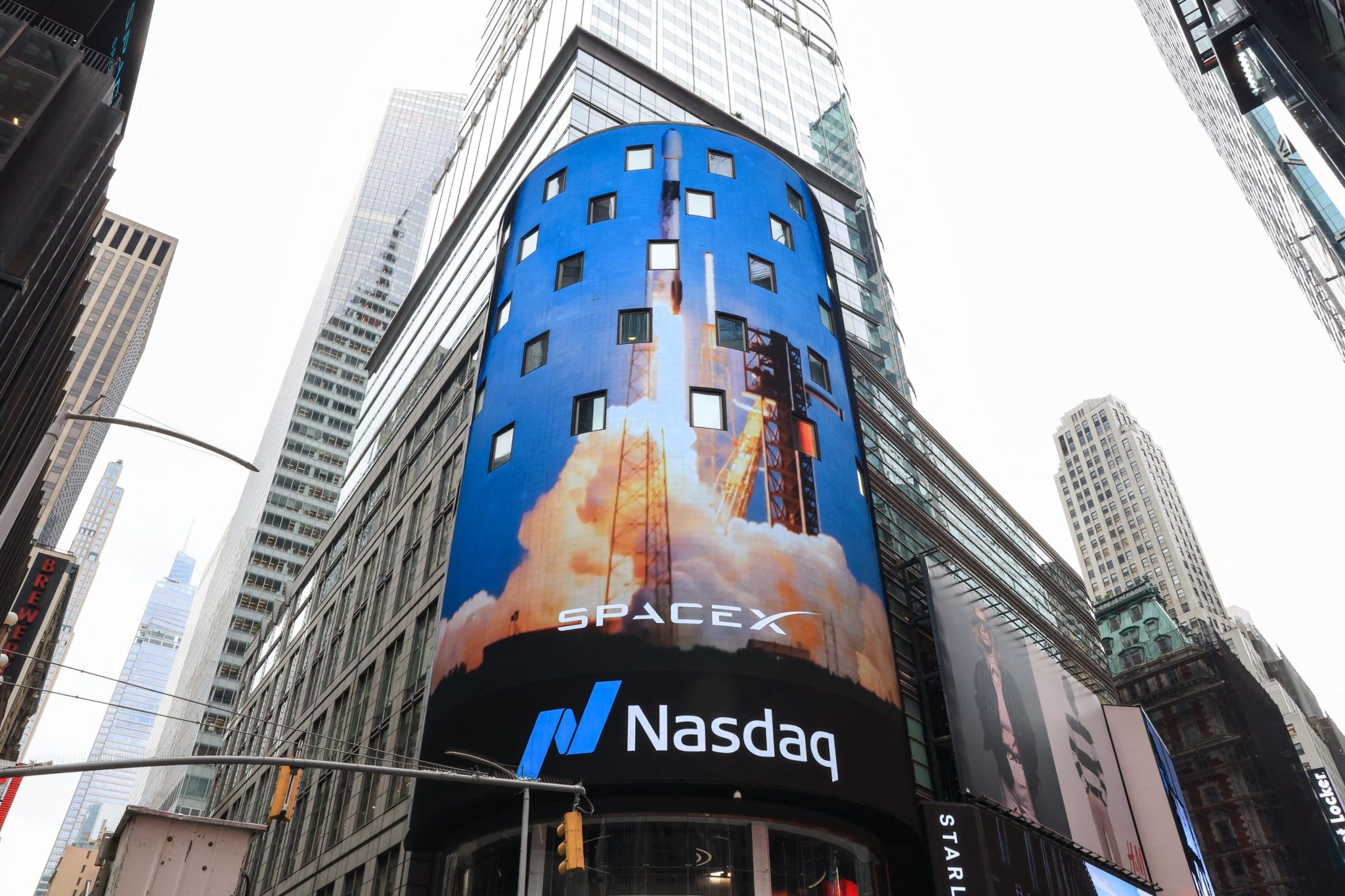
There are IPOs, and then there is what SpaceX pulled off on Friday. The initial public offering for Elon Musk’s rocket shop didn’t just exceed previous IPOs—it blew them out of the water. SpaceX raised an eye-popping $75 billion, which is roughly triple what the previous record holder, Saudi Arabia’s Aramco, pulled in during its 2019 IPO, and nearly five times what a little company called Meta pulled in when it went public. Everyone wanted a piece of this thing, and that included crypto companies, which pre-sold tokenized versions of SpaceX stock that promised their customers a slice of the pie. Oops.
When the dust settled on the IPO, it emerged that customers who pre-bought SpaceX tokens on exchanges like Bybit and Binance came up dry. The reason is that the exchanges believed they had lined up an allocation of pre-IPO shares through Kraken-owned xStocks. But when push came to shove, it turned out that Elon had not set aside as many shares for retail investors as some had hoped, and so xStocks found itself at the back of the line. The upshot is that those who bought the token version of SpaceX stock either received a smaller allocation. (Many reported receiving 4.3 shares of SPCX or none at all.)
This may be a bummer for those investors, but it’s hardly a fiasco. Those who missed got their money back, and in many cases some type of sweetener from the exchanges. And while the optics aren’t great for xStocks and its partners, customers of the crypto firms aren’t the only ones who missed out. CNBC reported that retail investors at some traditional brokerages likewise didn’t receive allocations.
The takeaway here is that this isn’t a story about crypto, but simply one of supply and demand. During IPOs, there is always a pecking order of who gets first dibs on shares at listing prices, with the banks that underwrite the listing getting the vast majority of them to distribute among their institutional investor pals. The notion that retail investors should get to buy in, too, is a recent development, but one that is becoming more common thanks to the advocacy of firms like Robinhood.
Kraken and Binance are newer to this game and, as the tokenized IPO shares they sell are targeted at overseas investors, they will have less clout in lining up a share of the retail allocation. But as tokenized stocks grow more popular—note that even big banks like Citigroup are getting into the game—it’s likely the companies will be able to lock in their share of the pie for future IPOs. It’s early days, as they say.
Finally, tokenized stocks played a part in another significant event last week: The unveiling of Fortune’s Crypto 100, an authoritative ranking of the most influential companies in the industry. On it, you will find Ondo and Securitize—both trail-blazers in putting equities on the blockchain—and a lot of other important names in this fast-evolving industry. You can learn more about the rankings here.
Quick programming note: I will be unplugging for a few weeks, but you will be in good hands with Ben Weiss, who will be taking the helm until my return.
Jeff John Roberts
jeff.roberts@fortune.com
@jeffjohnroberts
This story was originally featured on Fortune.com
Share
What's Your Reaction?
 Like
0
Like
0
 Dislike
0
Dislike
0
 Love
0
Love
0
 Funny
0
Funny
0
 Angry
0
Angry
0
 Sad
0
Sad
0
 Wow
0
Wow
0