Shipping transits slow to a trickle as Strait of Hormuz faces “worst-case scenario”
From shipping lane to battleground: Hormuz crisis forces industry rethink.

Welcome to this week’s Fortune Gulf Brief. We’ll be covering:
- From truce to turmoil: Hormuz traffic plunges as U.S.-Iran conflict reignites
- Saudi-backed Lucid Motors taps restructuring firm in latest cost-cutting drive
- Uber’s $14.8 billion acquisition puts Gulf champion Talabat in the spotlight
- UAE and Saudi Arabia cushion MENA’s dealmaking slowdown
- And, the three things we enjoyed reading this week
With the U.S.-Iran interim peace agreement effectively in tatters, shipping through the Strait of Hormuz has, again, ground to a virtual halt.
Shipping traffic fell to a three-week low on July 16, with transits down to eight vessels from 15 the previous day, data from maritime intelligence firm Kpler showed.
Total transits were down 66.2% for the week July 14-20 compared with the previous seven-day period, according to data from Lloyd’s List Intelligence.
Recent Iranian attacks on ships and the reinstatement of a U.S. blockade on Iran-linked shipping prompted most vessels to stop or reverse course.
An average of 138 ships passed through the Strait each day before the conflict started on 28 February, according to the Joint Maritime Information Center.
“With the recent events, everything has changed,” said Dimitris Maniatis, CEO of Athens-headquartered maritime risk management company Marisks, during a Lloyd’s List Intelligence briefing last week. “We’ve gone back to the worst-case scenario. Nobody is willing to move.”
The traffic separation scheme—the traditional shipping lane through the middle of the Strait of Hormuz—remains too hazardous for vessels because of the ongoing threat of mines, commented Jakob Larsen, chief security officer at BIMCO, one of the world’s largest shipping associations.
The escalation in fighting comes as the U.S. and Iran remain at odds over how shipping through the Strait of Hormuz should resume under the memorandum of understanding, signed on June 17. You can read about the latest developments in my piece here.
While Tehran pledged to guarantee normal transit, the agreement did not specify which shipping lanes vessels should use.
On July 20, the Houthis, an Iran-backed Yemeni group, announced it was imposing a maritime blockade on Saudi Arabia in response to what the group says is the kingdom’s siege on Yemen’s capital, Sana’a.
The announcement compounds mounting risks to oil supplies from the Middle East.
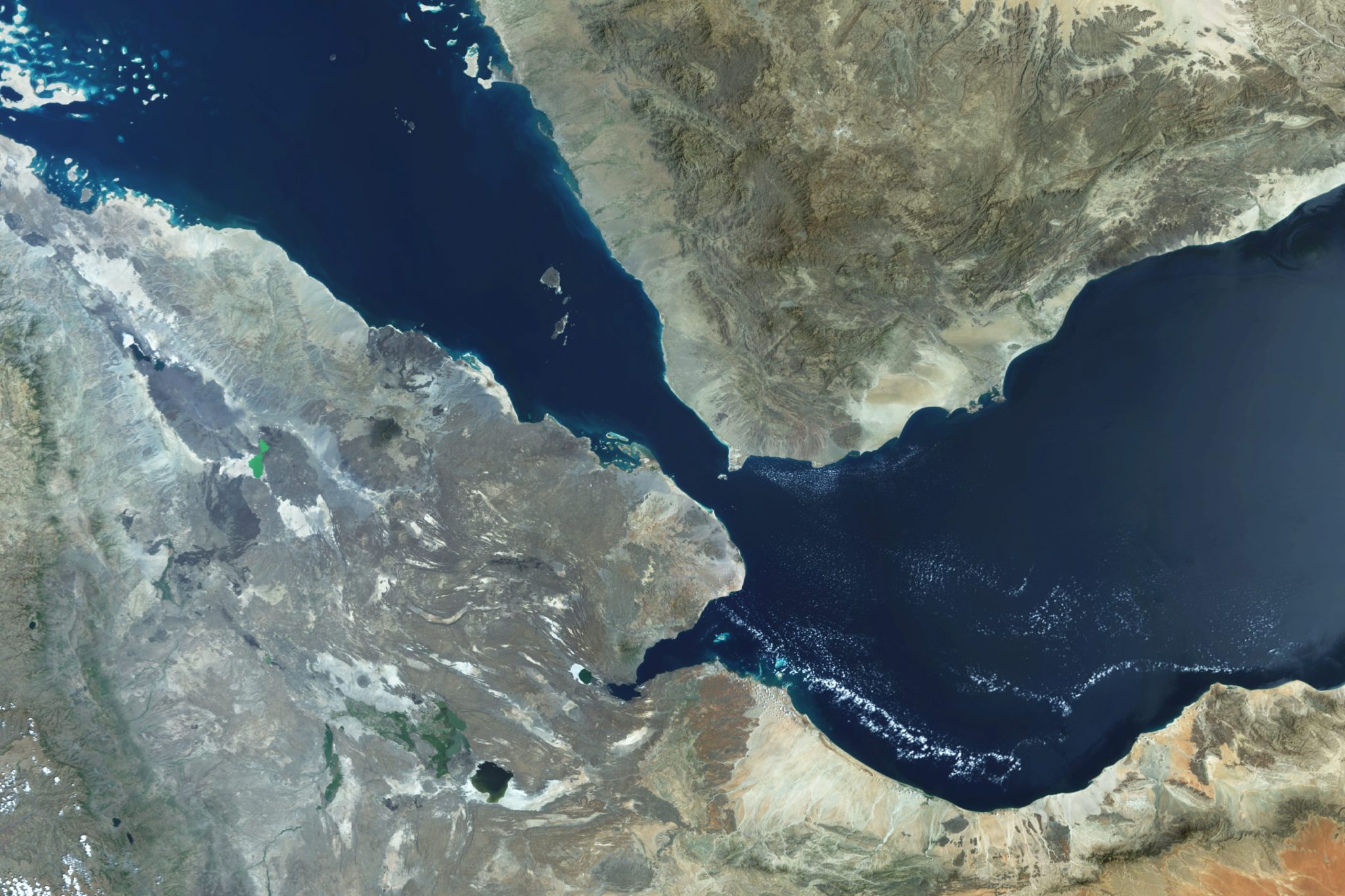
A full closure of the Bab el-Mandeb Strait, the southern gateway to the Red Sea, would halt Saudi oil exports to Asia and could reduce global oil supply by 7%.
The kingdom diverted its oil supplies to the key Red Sea port of Yanbu following the outbreak of the war, with those exports rising to a record 4.19 million barrels a day last month.
Last week, Oxford Economics published a research note stating that a toll system for the Strait of Hormuz would be a less costly alternative to the persistent disruption and would ensure that regular trade could resume through the strategic waterway.
It estimates that both Iran and Oman could raise $6.8 billion a year by imposing transit fees on oil tankers passing through the Strait of Hormuz.
An article in The Economist cites polling by The Washington Post and Ipsos that shows the conflict in Iran is now less popular than the Vietnam War among the American public.
Melissa Hancock
As ever, thanks for reading, and do keep in touch with your thoughts and ideas. See you next week.
melissa.hancock@fortune.com
This story was originally featured on Fortune.com
Share
What's Your Reaction?
 Like
0
Like
0
 Dislike
0
Dislike
0
 Love
0
Love
0
 Funny
0
Funny
0
 Angry
0
Angry
0
 Sad
0
Sad
0
 Wow
0
Wow
0