China is becoming a ‘factory to the factories,’ powering global manufacturing in places like Southeast Asia even as U.S. trade declines
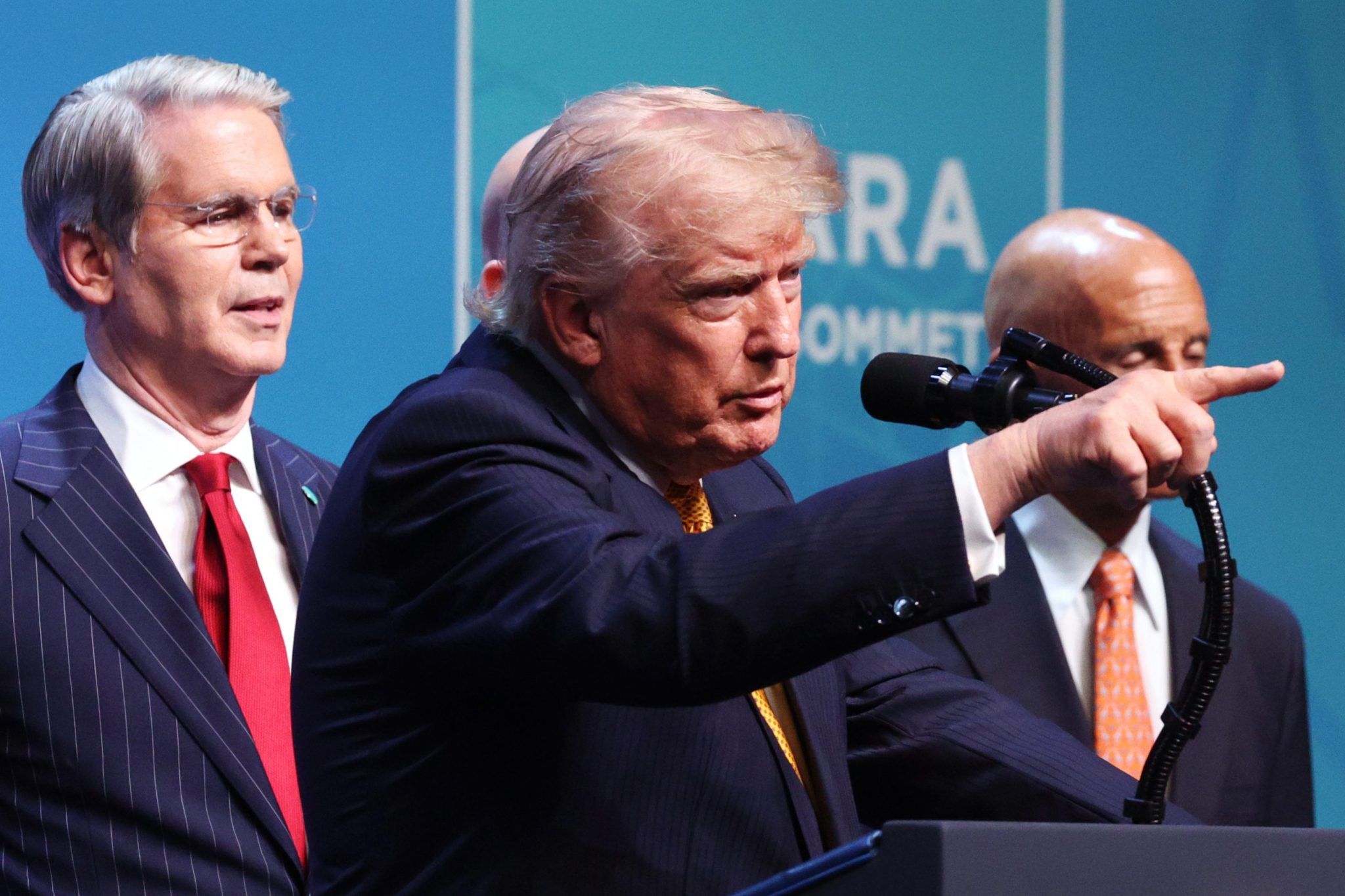
China stepped up to diversify its trading partners, and mostly with emerging economies,” says McKinsey's Jeongmin Seong.

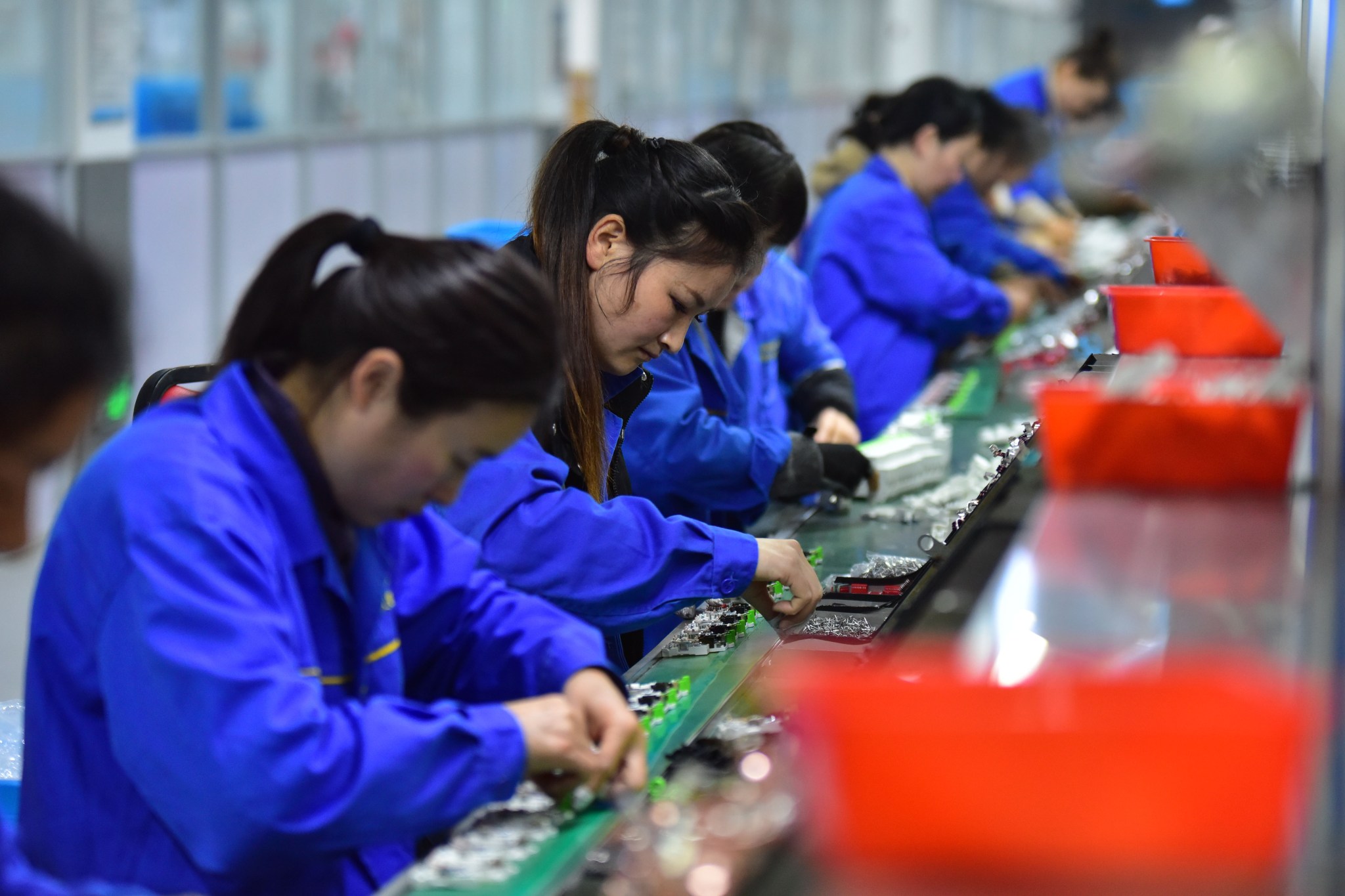
China is becoming a “factory to the factories,” ramping up its exports of industrial components like smartphone parts, processors, memory chips and lithium-ion batteries, destined for final assembly in economies like Southeast Asia.
“We may buy fewer ‘Made in China’ goods going forward, but more products will have internal components manufactured in China,” says Jeongmin Seong, a partner at the McKinsey Global Institute (MGI), the consulting firm’s research arm.
China’s exports of consumer goods declined by 2% last year, yet exports of intermediate goods rose by 9%.
Trade between the U.S. and China declined by 30% last year, due to U.S. President Donald Trump’s steep tariffs on Chinese goods. Yet “China stepped up to diversify its trading partners, and mostly with emerging economies,” explains Seong, who is also the author of a new MGI report on global trade. Those new trading partners, mostly manufacturing hubs, had more need for cheap machinery and components from China, rather than more costly finished products.
MGI’s report, titled Geopolitics and the Geometry of Global Trade, notes that the U.S. also changed its trading partners last year. The country successfully replaced two-thirds of the goods it previously sourced from China, sourcing smartphones from India and laptops from Southeast Asia.
ASEAN in particular is playing a key role in tariff-induced trade adjustments. Southeast Asian countries were already picking up manufacturing business moving out of China, as companies tried to manage earlier tariffs on Chinese goods and diversify their supply chains in the wake of the COVID pandemic.
Trump’s newest trade war is likely to accelerate the shift to adopt “China plus one” supply chains.
“ASEAN played the role of matchmaker for the global supply chain and kept it from breaking up,” Seong says. “ASEAN’s exports grew about 14%, which is more than two times as fast as the global average.” Notably, Southeast Asia ramped up trade with both China and the U.S., with the ASEAN-China and ASEAN-U.S. trade corridors being two of the world’s fastest growing, according to MGI.
Despite post-”Liberation Day” concerns last year that globalization was dead, global trade hasn’t declined. Seong sees less evidence that countries are moving manufacturing back home or to neighboring countries. “Despite a lot of headlines about onshoring, reshoring and nearshoring—that is not happening at a global scale,” he says. “More countries are getting connected over longer distances, and in that sense, we can argue that globalization is continuing.”
Instead, trade is being reconfigured along geopolitical lines. Countries are trading more with aligned countries, and trading less with countries seen as competitors or rivals. It’s not just the U.S.; China, too, has increased trade with Southeast Asia, Europe, Latin America and Africa as its geopolitical contest with Washington intensifies.
Investment, too, is being configured across geopolitical lines. The U.S. is investing more in its allies; it’s sourcing investment from allies like Japan, South Korea, and the Middle East, particularly in areas like semiconductors. China, on the other hand, is now a net investor overseas, not just because the country is investing more, but also because U.S. investment into the country has dried up.
Last year, the geopolitical distance of foreign direct investment plunged by 13%, while the same metric declined by just 7% in trade, according to MGI. (“Geopolitical distance” is MGI’s metric for measuring how closely two countries are aligned in their foreign policies, politics, and alliances.)
“Money can move faster than physical networks,” Seong explains.
Tariffs may come and go, Seong suggests, but a deeper shift of who trades and invests with whom is likely to endure long after the latest trade war headlines fade. “Geopolitical events like tariffs could be short-term splashes, but structural waves—like the geopolitical realignment we’re seeing—will endure,” he concludes.
This story was originally featured on Fortune.com
Share
What's Your Reaction?
 Like
0
Like
0
 Dislike
0
Dislike
0
 Love
0
Love
0
 Funny
0
Funny
0
 Angry
0
Angry
0
 Sad
0
Sad
0
 Wow
0
Wow
0